
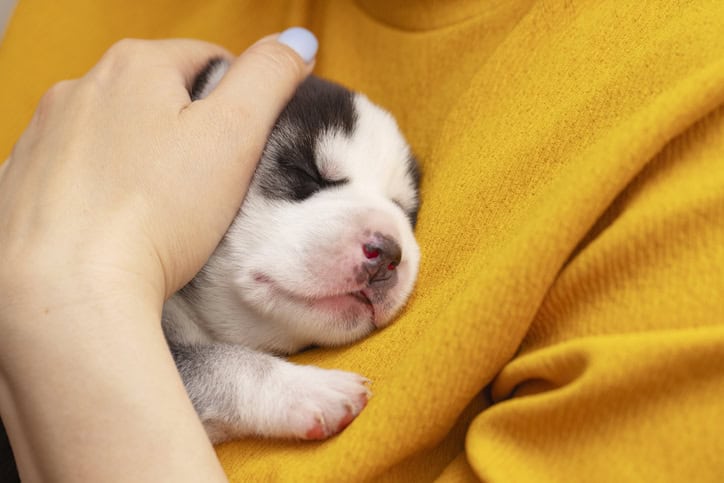
The first 30 days with a new puppy are one of the most important periods in your dog’s life. During this time, your puppy begins learning routines, boundaries, and how to interact with their new environment.
While bringing home a puppy is exciting, it can also feel overwhelming for new dog owners. Puppies require consistent training, patience, and structure to help them develop good habits.
In this guide, you’ll learn:
- What to expect during the first 30 days with a new puppy
- How to create healthy routines
- essential training priorities
- Common Mistakes New Owners Should Avoid
With the right approach, the first month with your puppy can set the foundation for a well-behaved adult dog.
Table of Contents
First 30 Days With a New Puppy (Quick Overview)
During the first 30 days with a new puppy, focus on these priorities:
- Establish a daily routine
- Begin potty training immediately
- Introduce basic commands
- Start socialization safely
- Build trust and positive experiences
These early habits help your puppy learn how to behave in their new home.
Week 1: Helping Your Puppy Adjust
The first week is all about helping your puppy feel safe and comfortable.
Everything in their environment is new—from the smells of your home to the sounds of daily life.
During the first week:
- Keep the environment calm
- establish feeding and potty schedules
- Begin crate training
- introduce short training sessions
According to the American Kennel Club, establishing structure early helps puppies develop confidence and good behavior.
Week 2: Starting Basic Training
By the second week, your puppy is usually more comfortable in their new home.
This is the ideal time to begin simple training exercises.
Start with basic commands such as:
- sit
- come
- name recognition
Short training sessions of 5–10 minutes are ideal for young puppies.
Positive reinforcement—such as treats and praise—helps puppies learn quickly.
Week 3: Socialization and Confidence
Socialization is a critical part of the first 30 days with a new puppy.
Proper socialization helps prevent fear and behavioral problems later in life.
Introduce your puppy gradually to:
- different people
- new environments
- household sounds
- gentle handling
The goal is to create positive experiences.
Week 4: Building Good Habits
By the fourth week, your puppy should start developing routines.
Continue reinforcing:
- potty training
- calm behavior
- basic commands
- leash introduction
Early leash practice is helpful even before regular walks begin.
If you plan to start leash training soon, our guide to loose-leash walking explains how to teach your dog to walk calmly beside you.
Potty Training Basics
Potty training is one of the most important priorities during the first 30 days with a new puppy.
Helpful tips include:
- Take your puppy outside frequently
- Reward successful bathroom trips
- maintain consistent feeding schedules
- Supervise closely indoors
Consistency is key to helping puppies learn where to go.
Preventing Common Puppy Behavior Problems
Puppies often develop unwanted habits if they are not guided early.
Common puppy issues include:
- biting and nipping
- jumping on people
- chewing household items
Training and redirection help prevent these behaviors from becoming long-term problems.
If your puppy begins pulling during early leash training, our guide on how to stop a dog from pulling on the leash explains techniques that help improve leash manners.
Early Leash Introduction
Although young puppies may not yet be able to take long outdoor walks, they can begin learning leash skills indoors.
Introduce the leash gradually by:
- letting your puppy wear it briefly
- rewarding calm walking indoors
- practicing short sessions
Early leash practice makes future training much easier.
Building routines early is important—our guide to the first 30 days with a new puppy explains how to get started.
Recommended Puppy Training Programs
Some new dog owners prefer following a structured training program during the early stages of puppy development.
Online training courses can provide step-by-step guidance for common puppy challenges.
One option many dog owners explore is SpiritDog Training, which offers programs focused on:
- puppy obedience training
- leash training
- building focus and calm behavior
- preventing common behavior problems
👉 Explore the training programs here
Common Mistakes During the First Month
New puppy owners sometimes make mistakes that slow training progress.
Inconsistent Routines
Puppies learn faster when feeding, potty, and training schedules remain consistent.
Too Much Freedom Too Soon
Giving puppies unrestricted access to the home often leads to accidents and chewing problems.
Punishing Mistakes
Positive reinforcement works much better than punishment when training young dogs.
Frequently Asked Questions
What should I focus on during the first 30 days with a new puppy?
Focus on building routines, potty training, basic commands, and positive socialization experiences.
What should I focus on during the first 30 days with a new puppy?
Focus on building routines, potty training, basic commands, and positive socialization experiences.
How much training should a puppy receive each day?
Short training sessions of 5–10 minutes several times per day are ideal for young puppies.
How much training should a puppy receive each day?
Short training sessions of 5–10 minutes several times per day are ideal for young puppies.
When should leash training start?
Leash training can begin during the first few weeks, even indoors, to help puppies become comfortable with the leash.
When should leash training start?
Leash training can begin during the first few weeks, even indoors, to help puppies become comfortable with the leash.
When do puppies start learning commands?
Most puppies can begin learning simple commands such as sit and come within their first few weeks at home.
When do puppies start learning commands?
Most puppies can begin learning simple commands such as sit and come within their first few weeks at home.
Final Thoughts
The first 30 days with a new puppy are a crucial time for building healthy habits and trust.
By establishing routines, practicing basic training, and creating positive experiences, you can help your puppy grow into a confident, well-behaved dog.
With patience and consistency, the effort you invest during the first month will pay off for years to come.
7 thoughts on “First 30 Days With a New Puppy (Complete Training Guide)”