
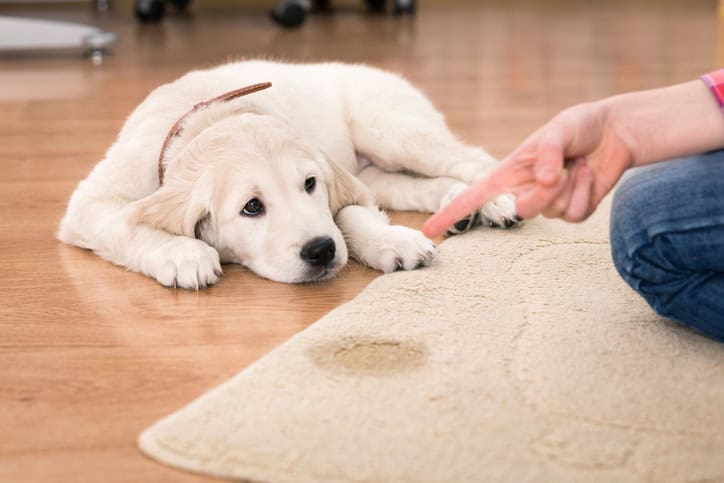
A consistent puppy potty training schedule is one of the most effective ways to help your puppy learn where and when to go to the bathroom. Puppies learn faster when they follow predictable routines for eating, sleeping, and bathroom breaks.
For many new dog owners, potty training can feel overwhelming at first. Accidents are common during the early weeks, but with patience and consistency, most puppies learn good bathroom habits quickly.
Building routines early is important—our guide to the first 30 days with a new puppy explains how to get started.
In this guide, you’ll learn:
- How a puppy potty training schedule works
- How often do puppies need bathroom breaks
- a simple daily schedule you can follow
- common potty training mistakes to avoid
With a clear routine, many puppies begin showing improvement within just a few weeks.
Puppy Potty Training Schedule (Quick Guide)
A basic puppy potty training schedule should include bathroom breaks at these key times:
- first thing in the morning
- after meals
- after naps
- after playtime
- before bedtime
Young puppies often need to go outside every 1–2 hours, depending on their age.
Why Puppies Need a Consistent Schedule
Before starting a puppy potty training schedule, it helps to understand how puppies learn bathroom habits.
Puppies have small bladders and limited control during their early months. Because of this, they need frequent opportunities to go outside.
A predictable schedule helps puppies learn:
- where they should go to the bathroom
- When bathroom breaks happen
- How to signal when they need to go
According to the American Kennel Club, consistency and supervision are two of the most important factors in successful potty training.
Example Puppy Potty Training Schedule
Below is a simple daily routine that works well for many puppies.
Morning
- wake up → immediate potty break
- breakfast
- potty break after eating
- short playtime
- another potty break
Midday
- potty break after naps
- lunch (if feeding multiple meals)
- potty break after eating
- short training session or playtime
Afternoon
- potty break after naps
- playtime or exercise
- potty break afterward
Evening
- dinner
- potty break after eating
- calm playtime
- Final potty break before bed
Following a puppy potty-training schedule helps your puppy understand when bathroom breaks occur each day.
Signs Your Puppy Needs to Go Outside
Puppies often show subtle signals before they need to go to the bathroom.
Watch for behaviors such as:
- sniffing the floor
- circling
- whining
- Suddenly stopping play
Recognizing these signals helps you take your puppy outside before accidents occur.
Potty Training Tips for Faster Progress
These tips can make your puppy’s potty training schedule more effective.
Take Your Puppy to the Same Spot
Using the same outdoor area helps puppies associate that location with bathroom behavior.
Reward Successful Bathroom Trips
Praise or treats immediately after your puppy goes outside reinforce good habits.
Supervise Indoors
Close supervision helps prevent accidents and allows you to respond quickly when your puppy needs to go outside.
The Role of Crate Training
Crate training can help support a puppy’s potty training schedule because most puppies avoid eliminating where they sleep.
When used correctly, crates help puppies develop better bladder control.
However, puppies should never be left in a crate longer than they can comfortably hold their bladder.
Preventing Common Potty Training Mistakes
Some mistakes can slow progress during potty training.
Inconsistent Schedules
If feeding times and bathroom breaks vary widely, puppies struggle to learn patterns.
Punishing Accidents
Punishment can confuse puppies and slow learning. Instead, focus on rewarding correct behavior.
Giving Too Much Freedom
Puppies that roam freely around the house often have more accidents.
Limiting space during early training helps prevent mistakes.
Supporting Early Puppy Training
Potty training works best when combined with other early training routines.
For example, establishing structure during the first 30 days with a new puppy helps the puppy adjust to their new home and learn important habits.
Early leash introduction can also help prepare puppies for future walks. Our guide to loose-leash walking training explains how to teach calm leash behavior as your puppy grows.
Recommended Puppy Training Programs
Some dog owners prefer following a structured training program when raising a new puppy.
Online dog training courses can guide owners through important early skills such as:
- potty training
- obedience training
- leash manners
- socialization
One option many dog owners explore is SpiritDog Training, which offers courses designed to help owners build strong foundations during puppyhood.
👉 Explore the training programs here
Frequently Asked Questions
How often should puppies go outside?
Most puppies need bathroom breaks every 1–2 hours, especially during the first few months.
How often should puppies go outside?
Most puppies need bathroom breaks every 1–2 hours, especially during the first few months
How long does potty training take?
Many puppies show strong progress within 2–4 weeks, although full reliability may take several months.
How long does potty training take?
Many puppies show strong progress within 2–4 weeks, although full reliability may take several months.
Should I wake my puppy at night for potty breaks?
Very young puppies may need one nighttime potty break, but most gradually sleep longer as they grow.
Should I wake my puppy at night for potty breaks?
Very young puppies may need one nighttime potty break, but most gradually sleep longer as they grow.
Why does my puppy still have accidents?
Accidents are normal during training. Consistent schedules and supervision help puppies learn faster.
Why does my puppy still have accidents?
Accidents are normal during training. Consistent schedules and supervision help puppies learn faster.
Final Thoughts
A consistent puppy potty training schedule helps puppies develop healthy bathroom habits and avoid accidents in the home.
By following regular routines, rewarding successful potty trips, and supervising your puppy closely, most dogs quickly learn where and when to go.
With patience and consistency, potty training becomes easier and more predictable over time.
6 thoughts on “Puppy Potty Training Schedule (Step-by-Step Guide)”