
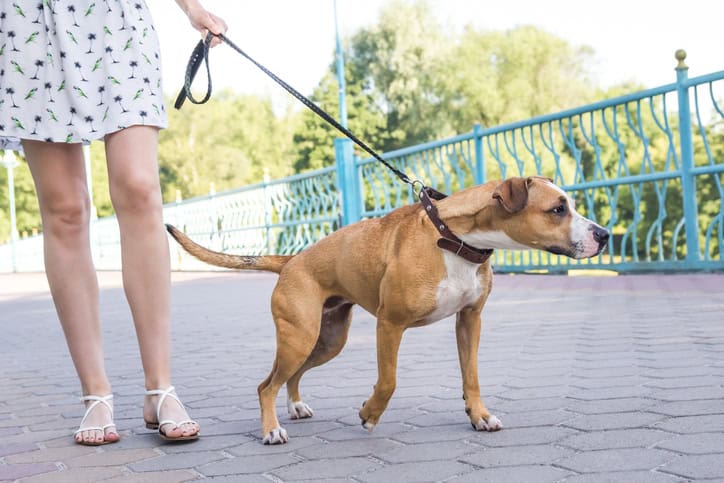
Walking a reactive dog can be stressful. Instead of enjoying a calm walk, many owners find themselves constantly managing barking, lunging, or pulling when their dog sees other dogs or people.
Learning how to train a reactive dog on walks takes patience and consistent practice. Many reactive dogs improve when owners reward calm behavior and slowly expose them to triggers at a comfortable distance.
How to Train a Reactive Dog on Walks Successfully
If this sounds familiar, you’re not alone. Reactivity is a common behavior challenge, but with the right training approach, you can train a reactive dog on walks and make outings far more manageable.
In this guide, you’ll learn:
• Why do dogs become reactive on walks
• How to train a reactive dog on walks step-by-step
• common mistakes owners make
• When structured training programs can help
With patience and consistent training, many reactive dogs improve significantly over time.
How to Train a Reactive Dog on Walks (Quick Steps)
To train a reactive dog on walks, follow these steps:
- Increase distance from triggers like dogs or people
- Reward calm behavior immediately
- Practice focus exercises during walks
- Avoid overwhelming environments
- Train consistently using positive reinforcement
If you’re working on improving your dog’s behavior on walks, start with our complete dog leash training guide, which covers pulling, lunging, and reactivity step by step.
Table of Contents
What Is Dog Reactivity?
Reactivity describes a dog that overreacts to certain triggers, such as:
• other dogs
• strangers
• bicycles or runners
• loud noises
• unfamiliar environments
Reactive behavior often includes:
• barking
• lunging
• pulling on the leash
• intense staring or fixation
Many owners assume this means their dog is aggressive, but that isn’t always the case. Reactivity is often driven by fear, excitement, or frustration.
According to the American Kennel Club, reactive behavior usually develops when dogs feel overwhelmed or lack confidence in certain situations.
Why Dogs Become Reactive on Walks
Before trying to train a reactive dog on walks, it helps to understand what causes the behavior.
Common causes include:
Fear or Anxiety
Some dogs react defensively when they feel threatened.
Frustration
Dogs that want to greet other dogs but cannot reach them may bark or lunge.
Lack of Socialization
Dogs that were not exposed to many environments during puppyhood may struggle with new situations.
Reinforced Behavior
If barking or lunging causes the trigger to move away, the dog may believe the reaction was successful.
If your dog becomes overly excited around other dogs, understanding why dogs bark at everything can also help you manage reactive behavior.
Signs Your Dog Is Reactive on Walks
Your dog may be reactive if they:
• bark or growl when seeing other dogs
• lunge toward people or animals
• become fixated on a trigger
• ignore commands when a trigger appears
• pull hard on the leash during encounters
If your dog also pulls during walks, improving leash skills can make a big difference. You can read our guide on how to stop a dog from pulling on the leash to help build better walking habits.
How to Train a Reactive Dog on Walks
Training reactivity takes time and consistency. These methods can help many dogs stay calmer during walks.
1. Increase Distance From Triggers
Distance is one of the most powerful tools for reactive dog training.
If your dog reacts when another dog is 10 feet away, move farther away until your dog can remain calm.
Training works best when your dog is aware of the trigger but not overwhelmed by it.
Gradually decrease the distance as your dog improves.
2. Reward Calm Behavior
When your dog notices a trigger but remains calm, immediately reward them.
Use:
• treats
• praise
• toys
This teaches your dog that calm behavior leads to positive outcomes.
3. Practice Focus Exercises
Reactive dogs often become completely focused on the trigger.
Teaching your dog to focus on you can interrupt this cycle.
Practice rewarding your dog when they:
• look at you during walks
• respond to their name
• walk beside you calmly
Focus exercises help you train a reactive dog on walks more effectively.
4. Avoid Trigger Overload
One of the biggest mistakes owners make is exposing their dog to too many triggers too quickly.
Instead, start training in environments with minimal distractions, such as quiet parks or calm neighborhoods.
Gradually introduce more challenging environments as your dog gains confidence.
5. Keep Leash Skills Strong
Good leash manners are essential when working with reactive dogs.
Dogs that constantly pull often struggle more when they encounter triggers.
If leash pulling is also an issue, improving loose-leash walking can make training easier. Our guide on how to stop a dog from pulling on the leash explains several techniques that help build calmer walking behavior.
Common Mistakes When Training Reactive Dogs
Some mistakes can make reactivity worse.
Punishing the Dog
Punishing a dog for reacting can increase anxiety and worsen the behavior.
Most trainers recommend using positive reinforcement methods instead.
Getting Too Close to Triggers
If your dog is already barking and lunging, they are likely too close to the trigger.
Create distance and reset the training situation.
Expecting Instant Results
Learning how to train a reactive dog on walks takes time.
Progress often happens gradually over weeks or months of consistent training.
Recommended Training Programs for Reactive Dogs
Many owners find it helpful to follow a structured training program when working with reactive dogs.
Online programs can guide owners through exercises designed to build focus, confidence, and calm behavior during walks.
One option many dog owners explore is SpiritDog Training, which offers courses focused on:
• reactive dog training
• leash behavior improvement
• obedience training
• building calm focus during walks
👉 Explore the SpiritDog training programs here.
How Long Does Reactive Dog Training Take?
Improvement timelines vary by dog.
Some dogs begin improving within a few weeks, while others require longer training.
Progress depends on:
• the dog’s temperament
• consistency of training
• severity of the reactivity
• environment and triggers
With patience and consistent practice, many dogs learn to stay calmer around triggers.
The ASPCA explains that reactive behavior is often linked to fear or frustration during encounters with unfamiliar dogs.
Quick Summary: Training a Reactive Dog on Walks
If your dog reacts strongly during walks, remember these key steps:
• create distance from triggers
• reward calm behavior
• practice focus exercises
• avoid overwhelming environments
• stay consistent with training
These strategies can help you train a reactive dog on walks and make daily walks more enjoyable.
Frequently Asked Questions
Why does my dog bark at other dogs on walks?
Dogs may bark at other dogs due to excitement, fear, or frustration. Reactivity often develops when a dog feels overwhelmed or lacks confidence.
Why does my dog bark at other dogs on walks?
Dogs may bark at other dogs due to excitement, fear, or frustration. Reactivity often develops when a dog feels overwhelmed or lacks confidence.
Can reactive dogs be trained?
Yes. Many reactive dogs improve significantly with consistent training and positive reinforcement methods.
Can reactive dogs be trained?
Yes. Many reactive dogs improve significantly with consistent training and positive reinforcement methods.
Is reactivity the same as aggression?
Not always. Many reactive dogs are fearful or frustrated rather than aggressive.
Is reactivity the same as aggression?
Not always. Many reactive dogs are fearful or frustrated rather than aggressive.
Can leash training help reactive dogs?
Yes. Improving leash behavior can reduce frustration and help dogs stay calmer during encounters.
Can leash training help reactive dogs?
Yes. Improving leash behavior can reduce frustration and help dogs stay calmer during encounters.
Can reactive dogs ever become calm on walks?
Yes. Many reactive dogs improve significantly with consistent training, distance management, and positive reinforcement techniques.
Final Thoughts
Reactive behavior can make walks stressful, but many dogs improve with the right training approach.
By creating distance from triggers, rewarding calm behavior, and practicing focus exercises, you can gradually train a reactive dog on walks and build more positive walking experiences.
Consistency and patience are key to long-term success.
5 thoughts on “How to Train a Reactive Dog on Walks (Step-by-Step Guide)”